

Things I Learned This Month
Giotto, Italian Pizza, WWII, Germany, Normandy, Tyranny, and Tomatoes

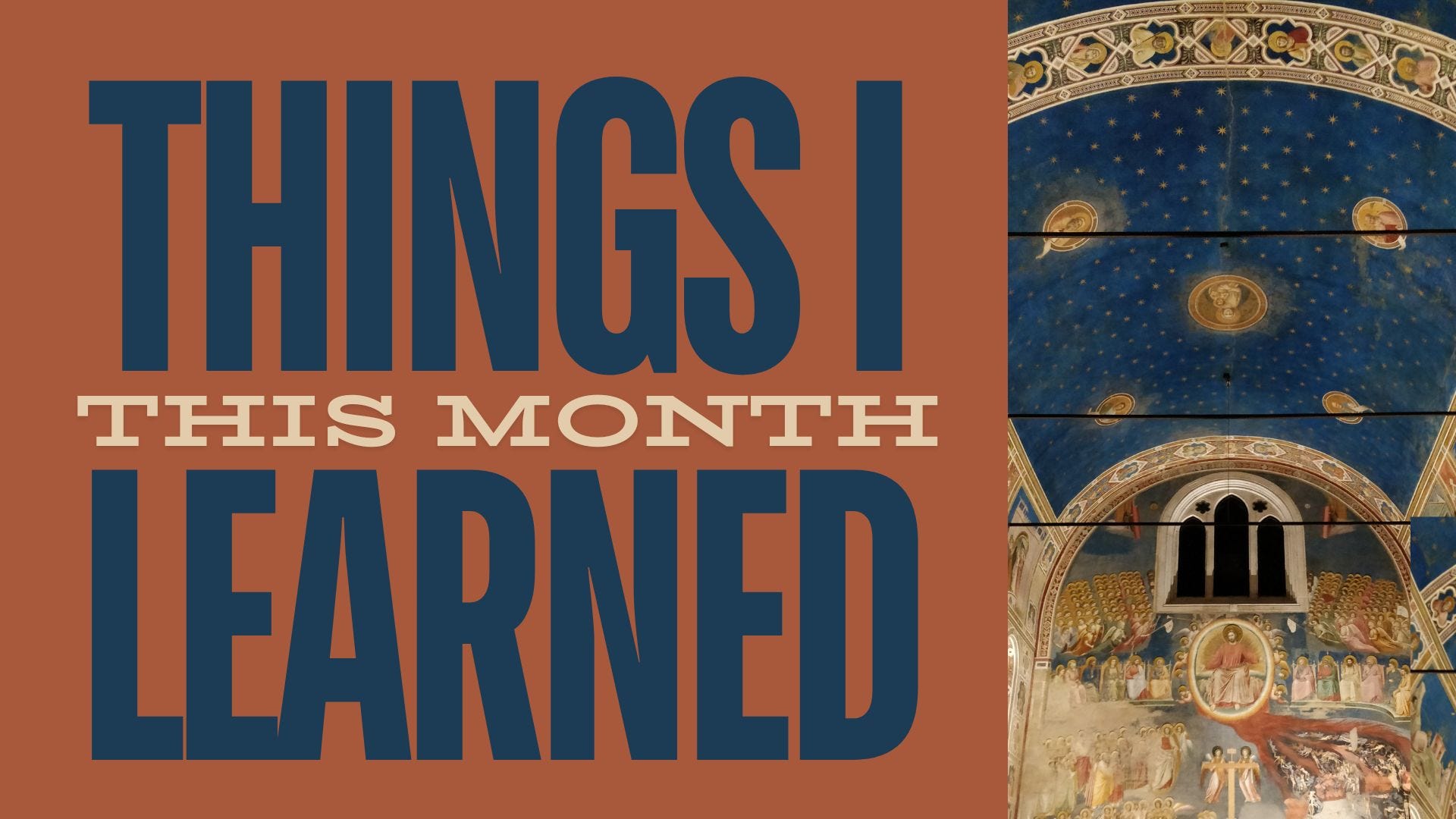
Special edition of Things I Learned This Week Month. It feels like a lifetime since I GRADUATED! That’s right. I’m bona fide now. As of May, your girl holds a BA in English and has an official document to prove it. It only took me 35 years, but I finally finished. TOOT TOOT ME! And believe it or not, I’m chomping (champing) at the bit to get back. I’ll be an IA in graduate school next year, and training starts at the end of August, so I hope to pack as much life into the summer as possible. Moving. Stomaching all the bad news. Making shit. That said, here are some things I’ve learned…
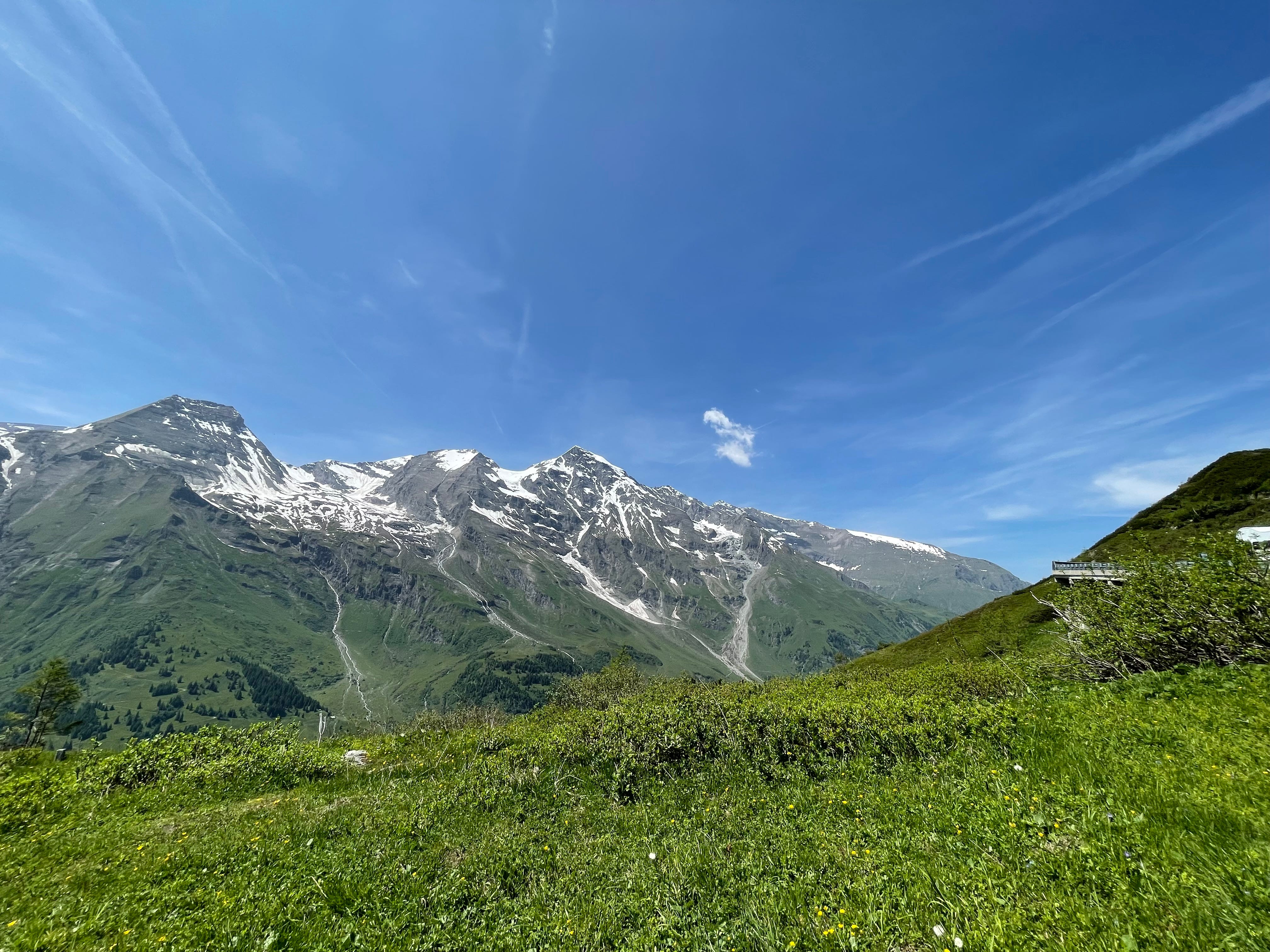
When my husband and I moved from New York 25 years ago, we took seven months off to go around the world. Sixteen countries, but other than a bit of France, we never fully made it to Europe. So when he retired, we decided to go back. Five weeks in England, Scotland, Ireland, France, Holland, Belgium, Germany, Italy, Austria, and Switzerland. (See the Austrian Alps above.) If that seems like a lot, it was. 5,000 + in the car, speed dating a ton of cities and towns, some just for a few hours. The main thing I learned is that the world is upside down. While folks back home were literally drowning in abnormal summer flooding in San Antonio, it was 100 degrees in Paris.
Speaking of Paris, I got heat stroke from staying out in that weather all day, pounding the pavement. We knew there was going to be a thunderstorm in the evening, so after walking 25,000 steps, we did a few flights more up to Montmartre and parked ourselves in front of the Sacré-Coeur to watch the show. And what a show it was. As the winds built and limbs began to crack, we were forced to seek shelter inside with 1,000 other people. Ends up, it was a once in a decade storm that flooded much of Paris, brought down trees, and screwed up the Metro for a good long while. Note that when I get nervous, I default to a ‘baby voice,’ so take note of me in the video commenting when someone’s poncho gets ripped from their body.
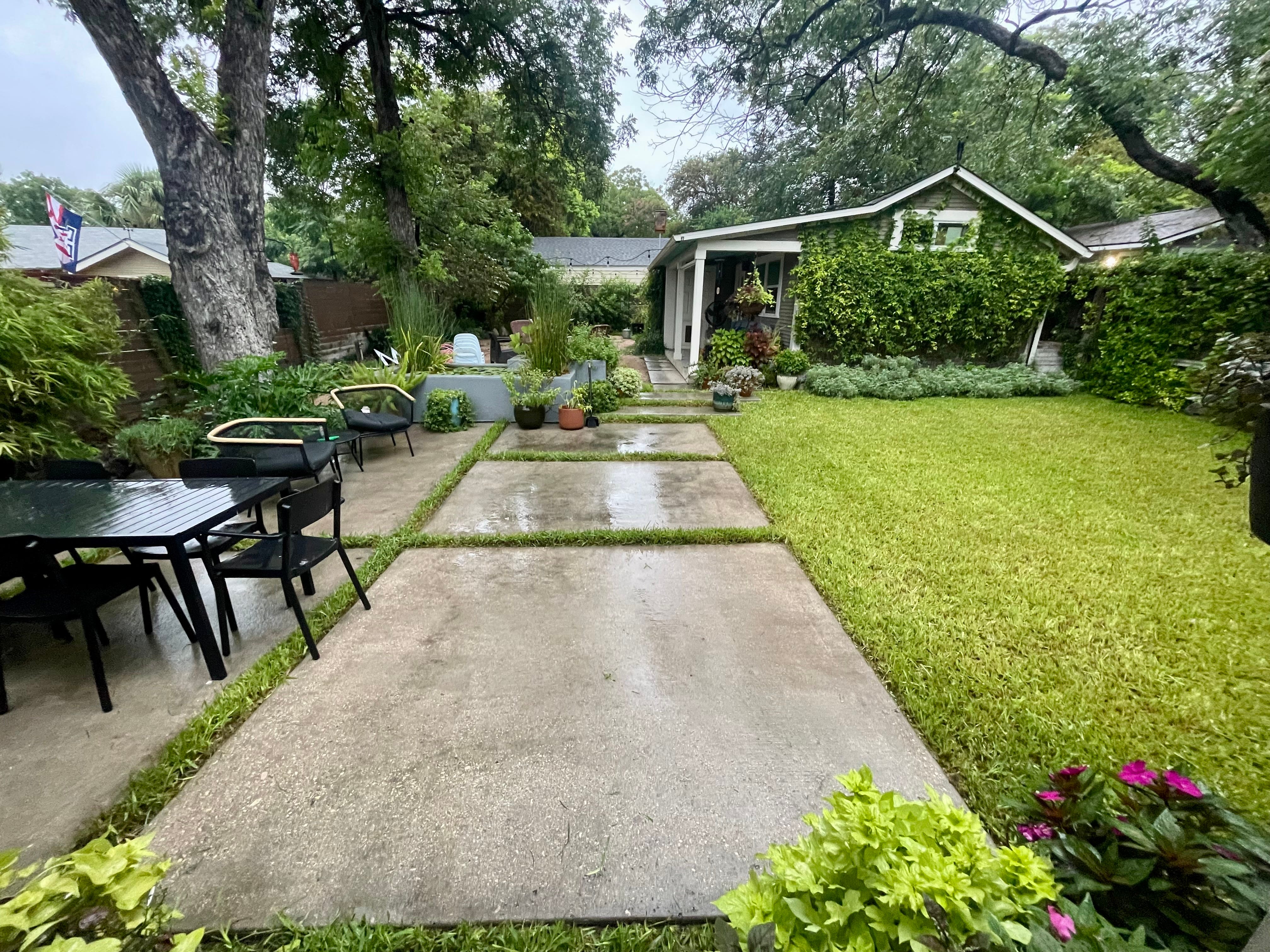
Speaking of rain, San Antonio has been inundated with it. Cars were washed off the highway and lives were lost in unprecedented showers that don’t usually engulf much of June around here. It’s a really heartbreaking thing to see so much devastation. By this time in the summer, my yard is completely dormant, and most of the city has taken on the sepia hue of sundried grass. Instead, the weather is incredibly mild for July, and my yard is still going full spring gangbusters. None of this weather makes sense. As much as I loathe to admit it, I’m glad to be back in Texas, where people know the value of good air-conditioning and a tall glass of ice.
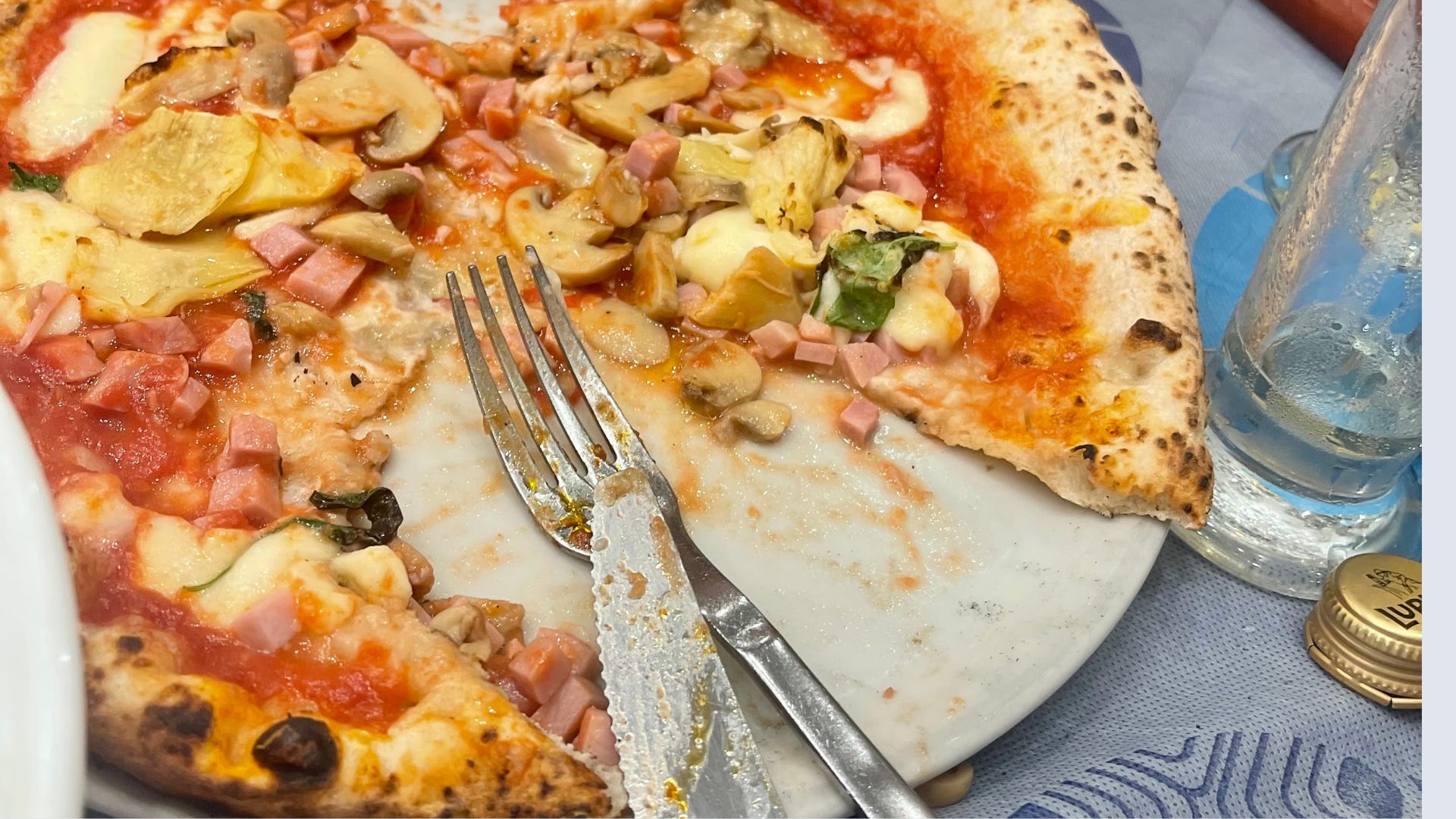
And speaking of things that are better in America, I know people will come after me for saying this, but *gulp* — American-Italian pizza is better than Italian pizza. Now, before you freak out, let me say that whatever pizza evolution occurred when Italian immigrants moved to the U.S. was the right one. Maybe it was because in Italy, they take three-hour lunches where people can afford to leisurely sit down and eat their pizza with a fork and knife. And maybe when immigrants came over and had to bust their butts to survive, they had to create a pizza with a crispier crust that they could slice up and carry around on the go. I’m not familiar with the history of pizza in the United States. And when I say American pizza is better, I’m not talking about Dominoes or Pizza Hut. I'm talking about Connecticut and New York-style pizza. The pizza that trickled down into the U.S. from Ellis Island as Neapolitan-style. In San Antonio, it’s served by places like Il Forno, Dough, and the expat Grimaldi’s. They say pizza arrived in America via Lombardi’s in New York’s Little Italy. You’d have to ask one of their culinary historians to calculate the exact moment when Italian pizza went from great to fabulous, but if you ask me, it happened on this side of the pond.
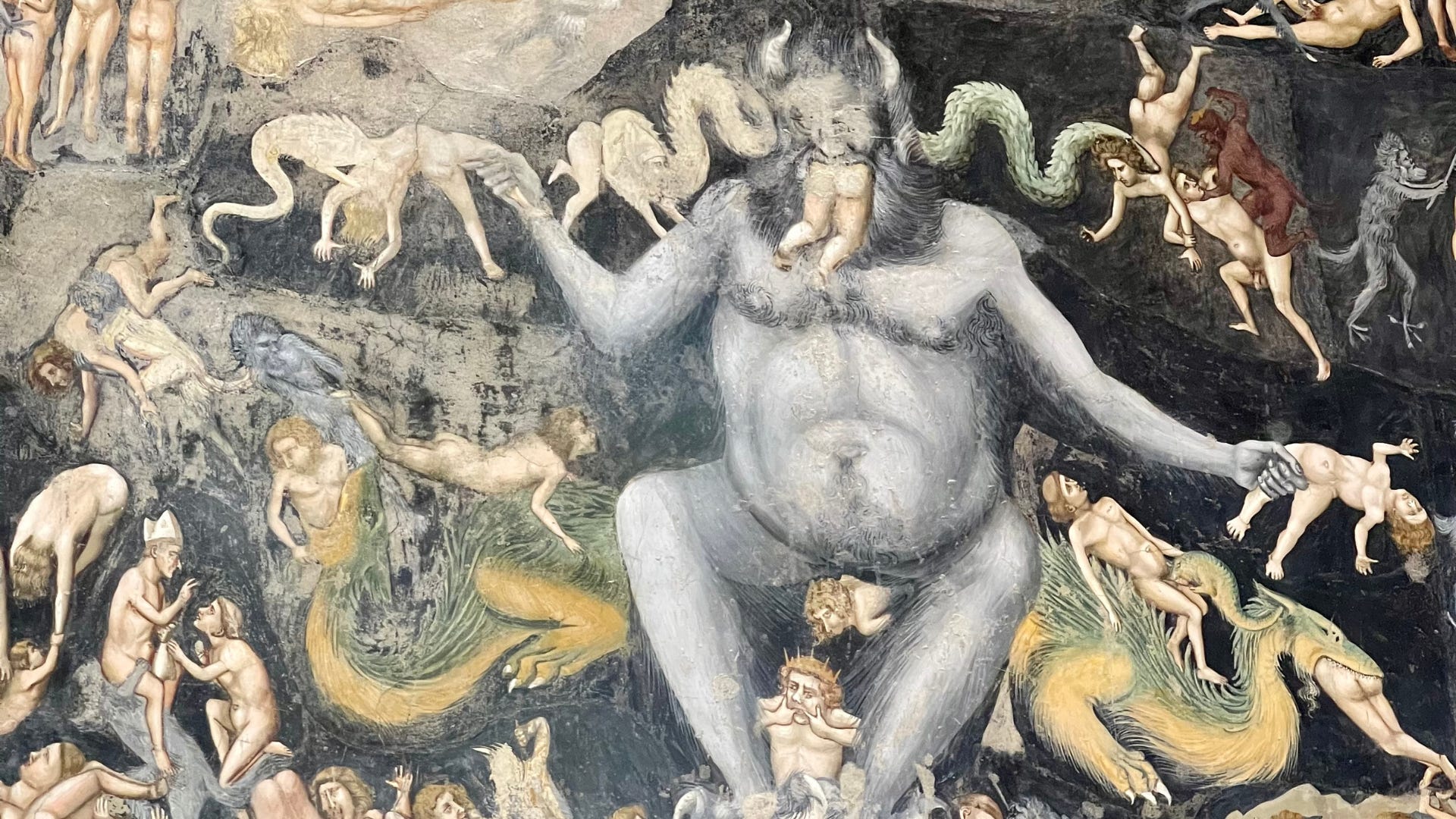
And speaking of Italy, it was there that we experienced my top highlight of the trip—the Scrovegni Chapel in Padua. If you can only visit one place in Europe, make it this. I learned about it in art history last year; the chapel painted by Giotto in 1305 was the genesis for all the art that came after, from the Sistine Chapel to Rothko’s bold color schemes. While many of the more famous sites we visited were swarmed with tourists (yours truly included), the time here was intimate and life-changing. From Giotto’s future-creating depictions of hell (above) and the seven deadly sins to the breathtaking blue ceiling filled with gold stars and a glimpse into immortality, it was a soul-shifting experience. (I could get lost in that Fra Angelico ultramarine blue forever.) Coincidentally, Marc Maron recently interviewed Peter Weller (Robocop, Buckaroo Banzai, and Alamo Heights graduate), who is mad about the place as well. The visit was so primo that it set the tone for the rest of the trip. Suppose something gained one-Giotto (like, say, the pizza in Naples); it was a solid 'meh.' If something was extraordinary, it received the coveted five-Giotto rave. For example…
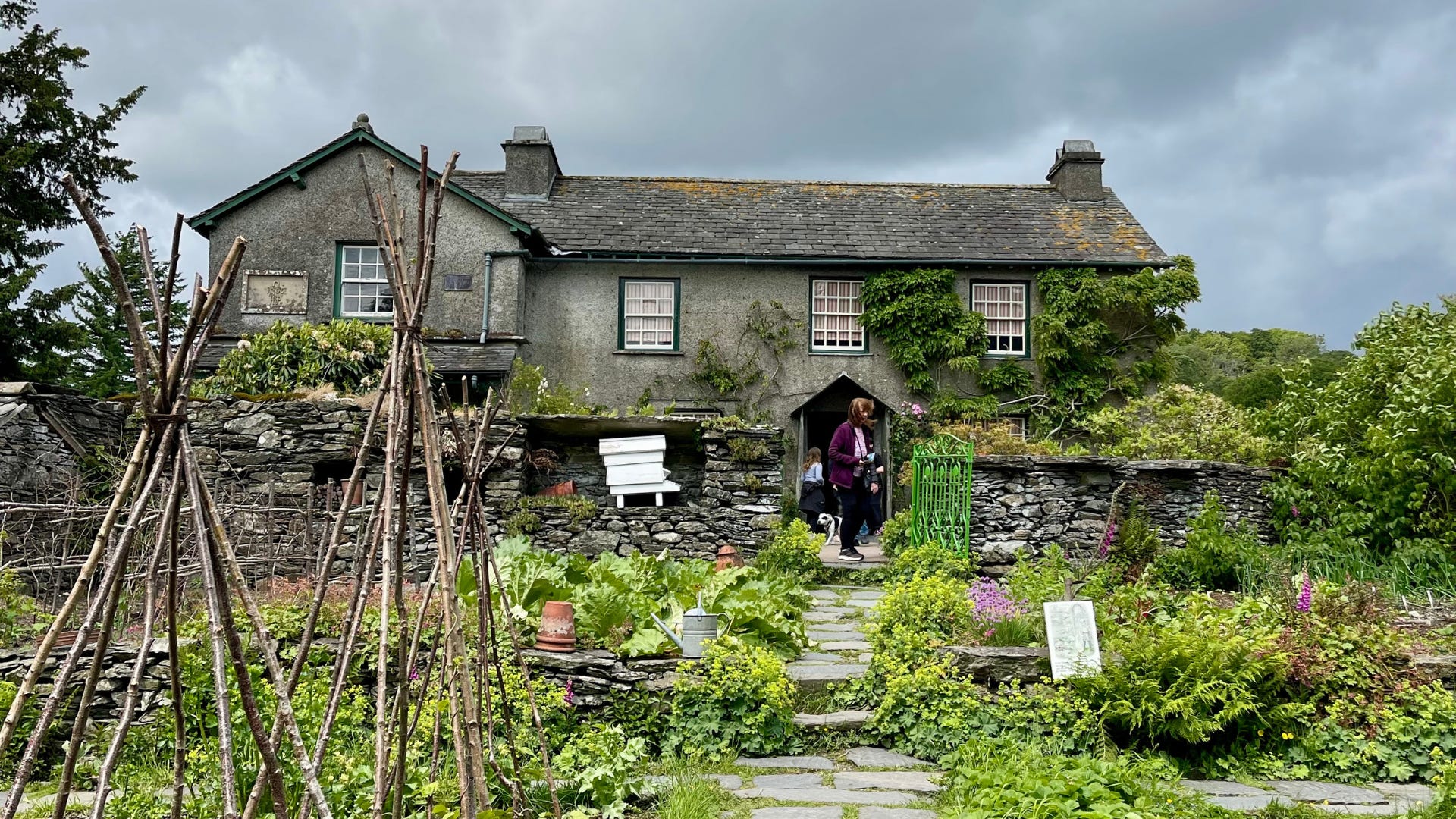
Beatrix Potter’s home in the Lake District of England. Five Giottos! Seriously, this was a lifelong-desired mecca of mine, and it did not disappoint. The beloved creator of Peter Rabbit, Benjamin Bunny, Jemima Puddle-Duck, Mrs. Tiggy-Winkle, and Tom Kitten created a magical sanctuary for herself among hills and sheep and glorious water masses. When she died in 1943, she bequeathed 4,000 acres of land and 15 farms to England’s National Trust so that the place she loved would be protected for generations to come. Oh goodness, if we were all entitled enough to spend our lifetimes adoring nature and animals and drawing and writing precious little stories about bunnies and mice, the world would be a better place. Rarified but splendid air.
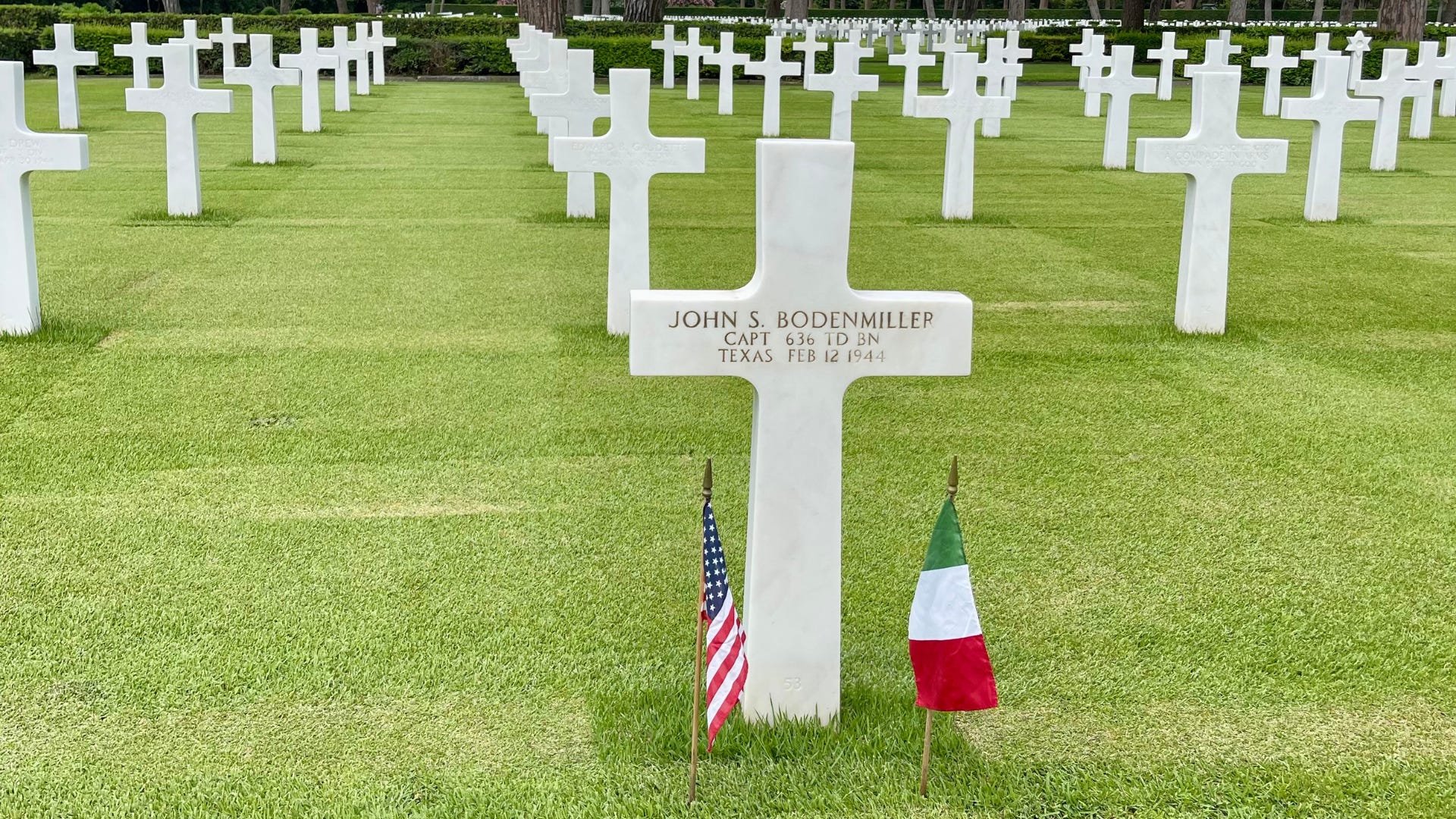
Another five-Giotto moment was every WWII site we visited, from Anne Frank’s house to Ypres to the cliffs of Normandy. History that’s critical to revisit in this particular moment, I was reminded of the good that America did when it helped the world stand up to a tyrant. We visited the Sicily-Rome American Cemetery, located in Nettuno, Italy, to pay our respects at the grave of my husband’s mother's first husband, John S. Bodenmiller. He was a captain in the Army’s 636th Tank Destroyer Battalion, who died during the Battle of Anzio in February 1944. The way these graveyards are maintained is impeccable, and as “family” members, the amount of care and respect that was extended to us was gob-smacking. All the headstones are stark and white, as they want all the graves to look the same so that everyone’s loss is equal. Perhaps the most stirring moment was when they gave my husband sand from the beach at Anzio to rub into the name so it would stand out to show someone had made the journey to commemorate a lost soul.
I know his mother, Dorothy, was smiling.
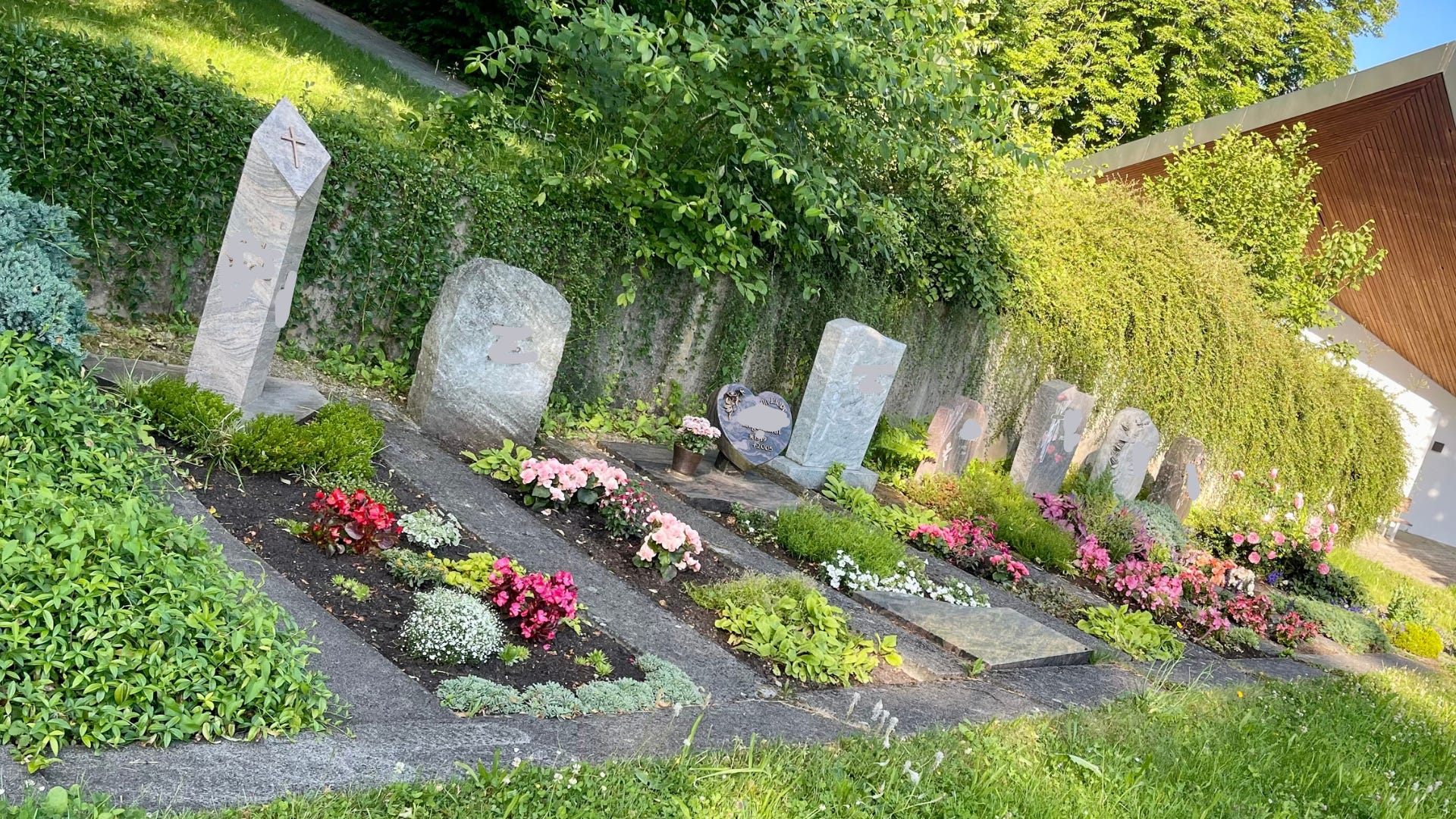
I could write forever about all the things we learned and saw on this trip, but the most significant impact was the time we spent in a small, rural town in the Black Forest in Germany. The home we stayed at was lovely, occupied by a gorgeous soul with a gracious garden, two long-haired German shepherds, and a mess of quilts she had sewn herself. I could have stayed there forever and wept when I realized so many of the forest’s dead trees were due to climate change (a toxic mix of drought and invasive beetles that will eventually mean the end of this medieval forest.) My husband and I took an evening walk into the tiny little town and stumbled on the church graveyard. There couldn’t have been more than 50 graves, but each one was tended to and cared for as if it were an individual garden. Throughout, watering cans were available for locals to water the roses and begonias. It was one of the most thoughtful and beautiful things I have ever seen. It made me think of everyone who fought in both Wars. It made me think of all the little towns in Germany and all the families who sent their sons away to die. How towns like this—filled with regular, everyday, good, kind people—were manipulated by the ego and tyranny of a few to turn against their friends and neighbors and the welfare of their own young men. Hateful propaganda against entire races that poisoned the minds of parents with daughters and sons and lives and graveyards to tend. Power and greed being flexed using fear and intimidation at the disadvantage of everyone except for a small percentage at the top. History offers us many valuable lessons. So many graveyards to revisit and tend to. So many tragedies that could have been avoided through education and empathy.
And it’s happening again. People being fooled into demonizing millions of other human beings to deflect from the sins of a few.
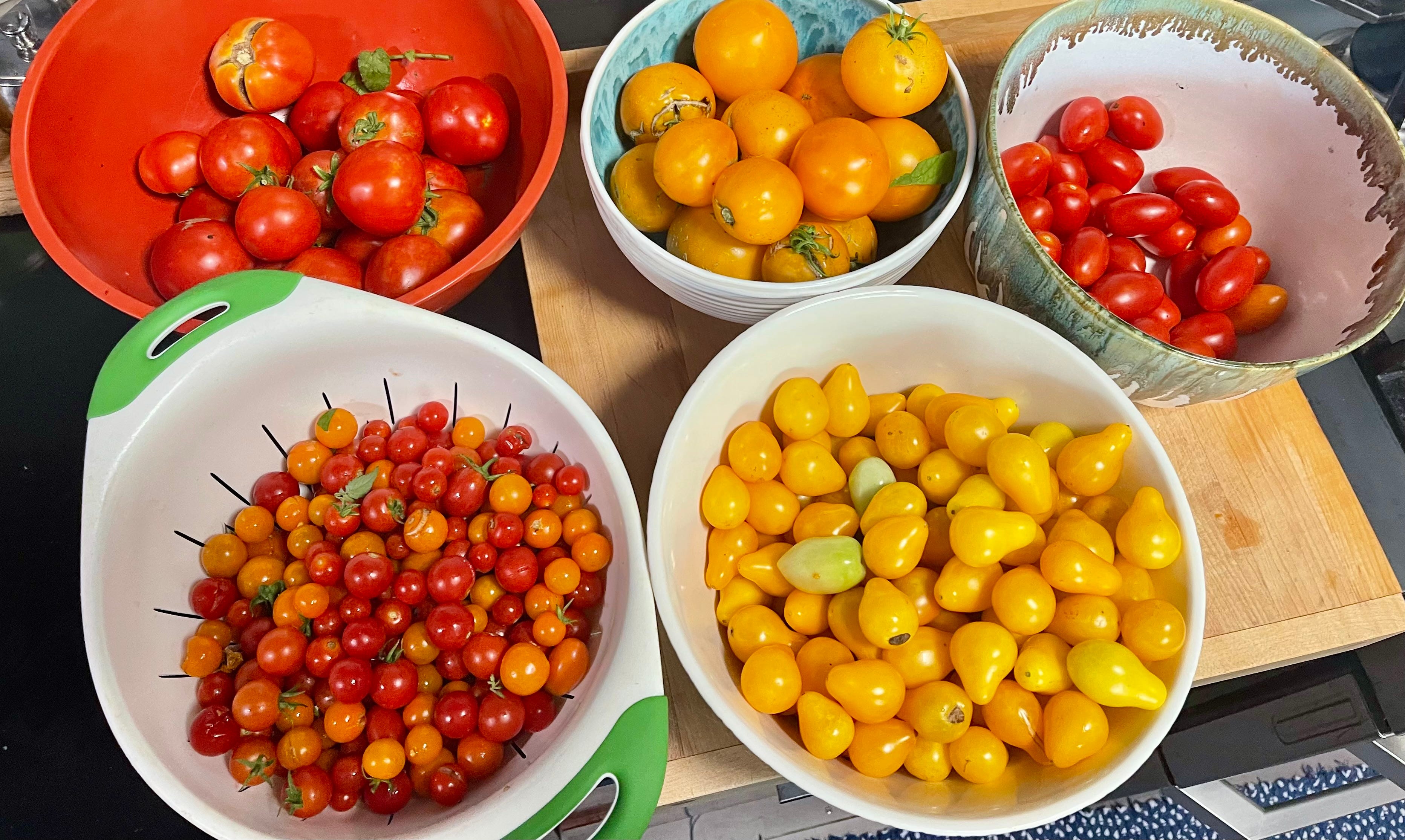
Lastly, to end on a not-as-somber note… this has been the best tomato season of our lives here in Texas. Sadly, my friend Anna got to enjoy the bulk of it while we were gone, but there was still one last epic harvest when we returned. Despite war, greed, racism, and holes in the ozone layer, life goes on. It’s easy to turn away and stuff ourselves with tomatoes sandwiches and pretend. Pay attention, please.
Quote of the month?
“In the long run, the sharpest weapon of all is a kind and gentle spirit.” — Anne Frank
I’m going to try to be back on Tuesdays and Fridays, but there are words to write, pots to make, and people to defend. Pardon me if I fall short.
‘Til Tuesday kids.
Burgin
(I finished college at 50+ and am headed to grad school… follow along and read my story here.)
Thank you for your words. They always hit just right 💕.
Where will you be going to grad school?